
Introduction
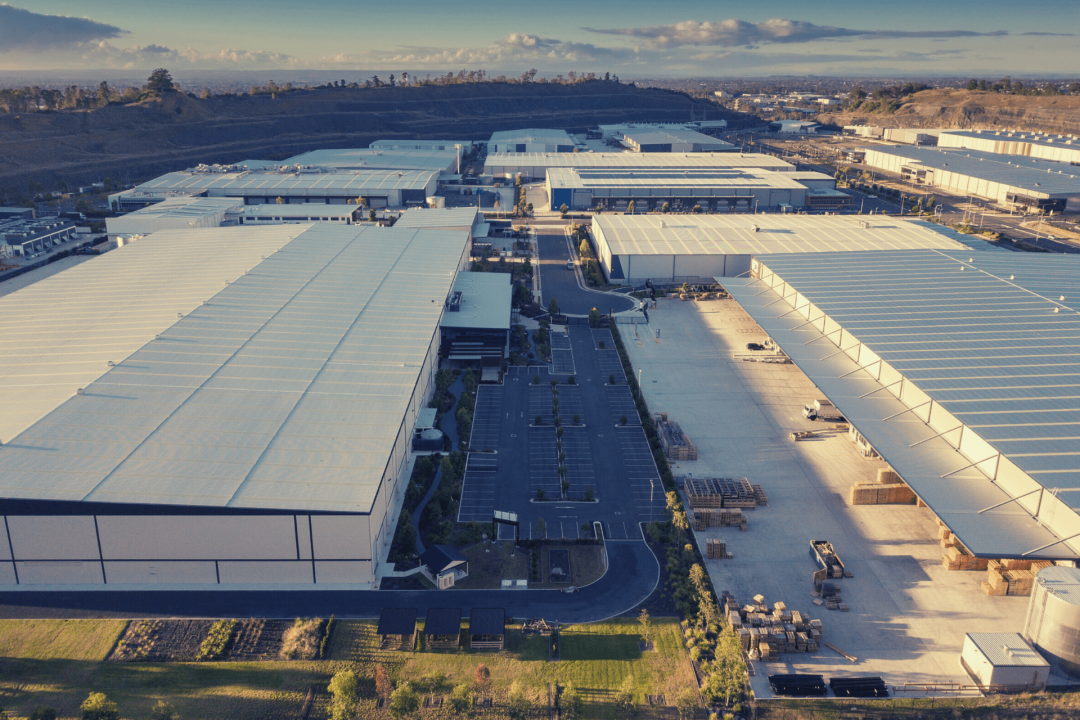
In the bustling world of real estate, industrial properties stand as the solid foundations upon which industries thrive and economies flourish. These properties form the backbone of manufacturing, warehousing, and distribution, playing a pivotal role in the seamless flow of goods and services. From sprawling warehouses to cutting-edge production facilities, real estate industrial properties are the unsung heroes that power global commerce. In this article, we embark on a journey to explore the vast potential of industrial properties, uncovering the mechanics that fuel economic growth.
Defining Real Estate Industrial Properties
Real estate industrial properties encompass a diverse range of properties tailored to accommodate industrial and commercial activities. These properties serve as the physical infrastructure for manufacturing, processing, storage, and distribution operations across various sectors.
Embracing Diversity in Industrial Properties
The realm of real estate industrial properties is a tapestry of diversity, offering an array of spaces to cater to the needs of different industries. From light industrial spaces suitable for small-scale manufacturing to heavy industrial complexes for large-scale production, each property type serves a specific purpose in the industrial landscape.
Understanding Industrial Zoning
Zoning regulations play a crucial role in the development and location of industrial properties. Industrial zoning designates specific areas where industrial activities are permitted, ensuring compatibility with surrounding land uses and safeguarding residential areas from potential nuisances.
Categories of Industrial Properties
Industrial properties are classified into several categories, each tailored to suit different types of industries:
- Manufacturing Facilities: These properties house the production of goods, ranging from automotive components to electronics. Manufacturing facilities often require specialized infrastructure and equipment to accommodate production processes.
- Warehouses and Distribution Centers: Warehouses serve as storage spaces for goods, while distribution centers are essential for the efficient movement of products from manufacturers to retailers or end-users.
- Flex Spaces: Flex spaces offer versatile layouts that can accommodate various industrial or commercial activities. These spaces are popular among businesses that require flexibility in their operations.
- Research and Development (R&D) Facilities: R&D facilities provide dedicated spaces for innovation and product development. These properties are critical for industries at the forefront of technological advancements.
- Industrial Parks: Industrial parks are planned developments that house multiple industrial facilities in a cohesive environment. These parks often feature shared amenities and infrastructure to enhance efficiency.
The Impact of Location
Location is a critical factor in the success of industrial properties. Proximity to major transportation networks, such as highways, railways, and ports, ensures the smooth movement of raw materials and finished products. Additionally, industrial properties situated near urban centers can tap into a skilled workforce and a broader consumer base.
Investment Potential and Rental Income
Real estate industrial properties present lucrative investment opportunities for investors seeking stable returns. The demand for warehouses and distribution centers has surged due to the growth of e-commerce and the need for efficient logistics networks. As a result, industrial properties can generate consistent rental income, making them an attractive asset class for investors.
Evolving Trends in Industrial Properties
The landscape of industrial properties is continually evolving to meet the changing needs of industries. Automation and robotics are revolutionizing manufacturing processes, leading to a shift in the layout and design of industrial facilities. Additionally, the demand for environmentally sustainable practices has spurred the development of green industrial buildings that prioritize energy efficiency and environmental stewardship.
Sustainability in Industrial Properties
In response to growing environmental concerns, sustainable industrial properties have emerged as a focal point in the real estate market. Green industrial buildings incorporate energy-efficient technologies, waste reduction strategies, and renewable energy sources to minimize their environmental impact.
The Role of Industrial Real Estate Brokers
Navigating the industrial property market requires specialized knowledge and expertise. Industrial real estate brokers play a vital role in connecting businesses with suitable properties that align with their operational requirements. These professionals possess an in-depth understanding of industrial zoning, market trends, and the intricacies of industrial property transactions.
Conclusion
Real estate industrial properties form the backbone of global commerce, providing the physical infrastructure that drives industries forward. From manufacturing facilities that birth innovative products to warehouses that safeguard and distribute goods, these properties underpin the economic vitality of nations.
Embracing diversity and innovation, industrial properties continually evolve to meet the ever-changing demands of industries. The incorporation of sustainable practices aligns industrial properties with environmental consciousness, promoting a greener future.
As industries forge ahead, industrial properties will remain integral to economic growth, fostering the seamless exchange of goods and services that enrich the lives of individuals worldwide.
In conclusion, real estate industrial properties stand tall as the pillars of progress, supporting the ambitions and endeavors of businesses as they navigate the dynamic currents of global commerce.